What It's Really Like: A First-Hand Account of the Portland ICE Facility Occupation
In Portland, members of the community have been standing up to ICE for most of Trump's second term so far.
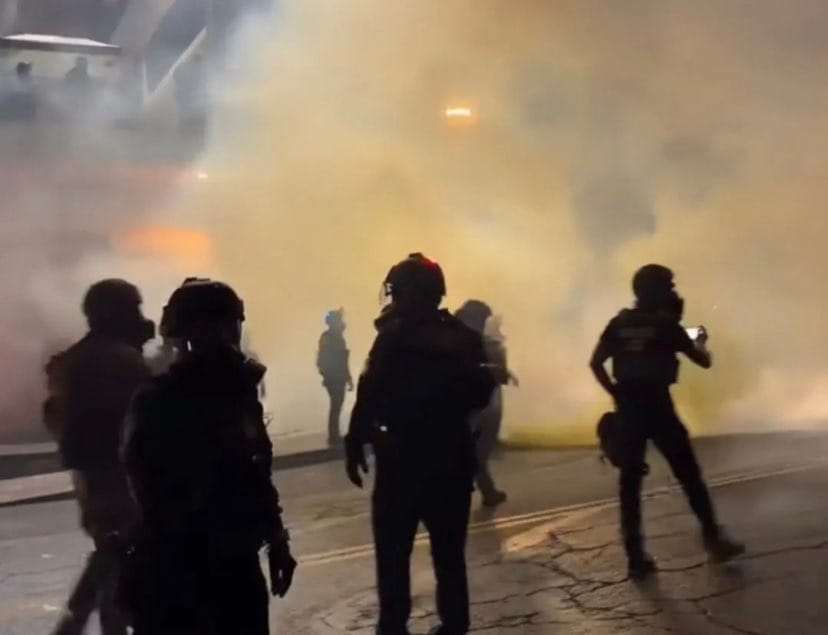
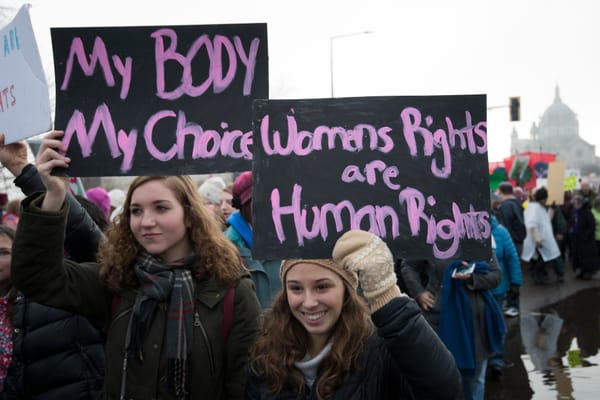
On the last weekend of January this year, agents at the Macadam ICE facility in Portland, Oregon, unprovoked, launched tear gas and other “less-lethal” munitions at peaceful protesters including children, elderly people, and babies in their strollers. On Saturday, the scheduled speakers were unable to give their statements to the crowd because of the toxic smoke. The next day, a march from the Portland South Waterfront to the facility was met with the same excessive force. The images coming out of that weekend were unforgettable and made national headlines. But I know it was an escalation of a pattern that has been brewing for a long time.
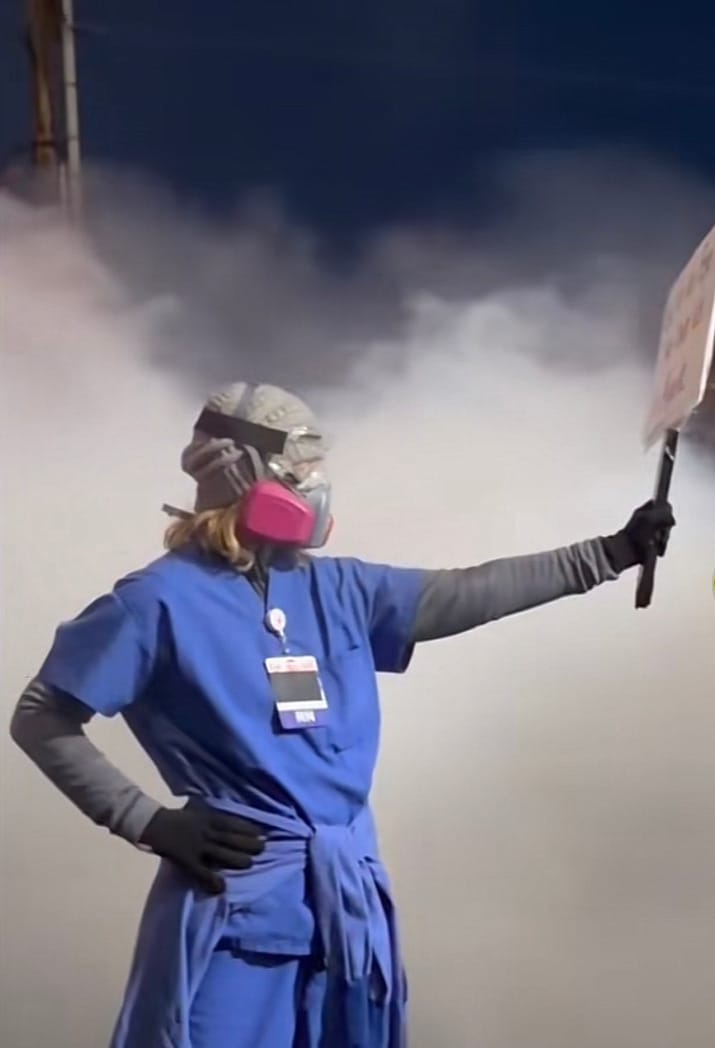
I came, I saw, I stayed
If someone had told me I’d be spending my nights standing alone in the cold Portland dark, witnessing human suffering and what appear to be repeated constitutional violations on American soil, I would have dismissed it as a bad dream. Yet here I am, night after night. As a full-time nomad who somehow became a street activist, I stand alongside a community that can’t walk away. I document, I support, and I try to give voice to a story most people never see.
Before arriving here over four months ago, I’d heard the same sensational narratives as everyone else that Portland was war-torn, chaotic, a city setting itself on fire. I needed to see it myself. This has always been my favorite city; how could it have collapsed so suddenly? But the reality was nothing like the headlines. The city wasn’t burning. There was no violent mob. The only war I found was the one being waged against constitutional rights, and it wasn’t civilians leading the charge. It was the agencies sworn to protect them.
For the last three years, I have traveled full-time across the country and beyond, sharing my life and our land on social media through lighthearted, humor-driven storytelling. Before nomad life, I had worked in death investigation and violent crime, a field that required emotional stamina, compartmentalization, and a willingness to witness human suffering up close. Leaving that career for life on the road was difficult and left a quiet ache, like I stopped using a part of myself meant to serve something larger. I never expected those skills to matter again, and I certainly never expected them to matter here, in my favorite city. This isn’t my hometown: I’m a Florida girl, after all, but as a humanitarian it is my mission to help as many people as I can in this lifetime.
Like many people, I did not fully grasp what was happening in cities across the country. My feeds did not show local voices or nightly realities. I did not know what I did not know. When we drove into Portland on October 1, I felt a pull to see the Macadam ICE facility with my own eyes. What I saw from the front seat of our van changed me. Civilians lined the sidewalks. Agents stood on the rooftop. Pepper-balls flew with no clear target. The tension settled into my bones. I barely slept that night, replaying everything I had witnessed, trying to reconcile it with the version of America I thought I knew only hours earlier.
Later, I learned that October 1, 2025 was day 119 of the protest.
I started filming live on social media so others could see what I saw. Night after night, I learned the ecosystem of enforcement around this single building. ICE officers arrived with one approach, Special Response Teams with another, the Federal Bureau of Prisons with theirs, and Federal Protective Services with their own methods. Customs and Border Protection rolled in with a posture that would have looked less out-of-place on a remote border somewhere. Local police dropped in with entirely separate expectations. None of them seemed to communicate. What emerged was a fractured patchwork of force: conflicting training, clashing procedures, and no visible chain of communication tying any of it together. There is no community liaison that we can see. No one bridges the gap between the people being harmed and the people doing the harming. Instead, you feel an unmistakable disconnect, agents behaving as if this Portland community is an enemy border crossing rather than a neighborhood of residents, veterans, active-duty military, business owners, doctors, students, and families.
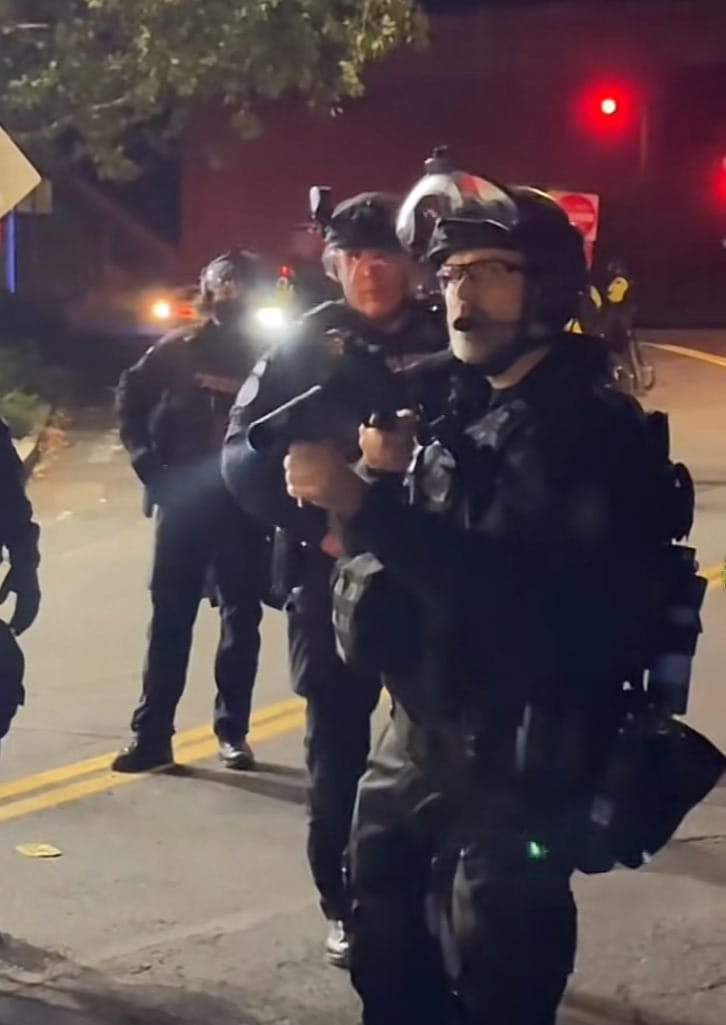
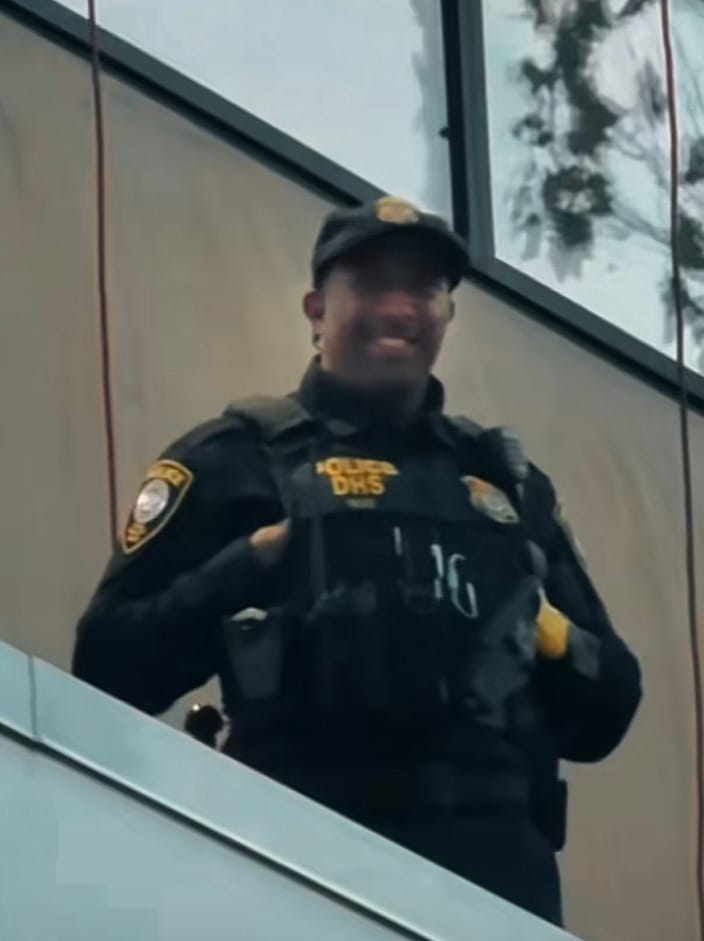
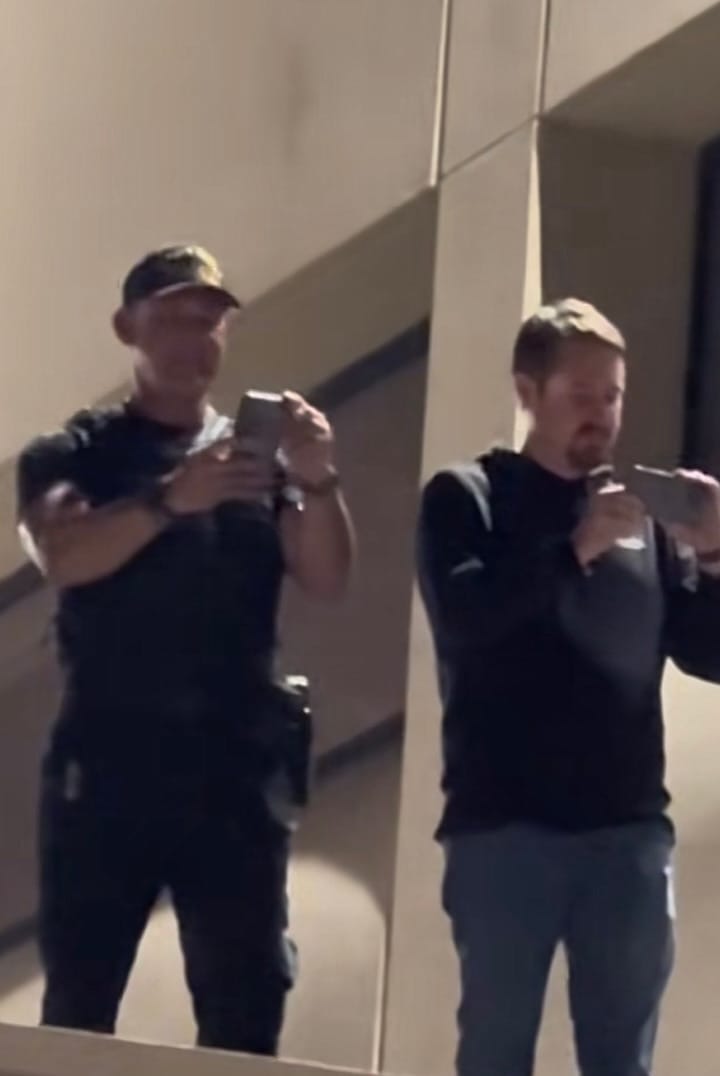
Many of these agents are trained for isolated, high-tension environments where the public is framed as the threat. That conditioning does not vanish just because they are suddenly stationed in a city. The result is a “you versus us” mentality so thick it becomes the air you breathe. Officers mock protesters, blow kisses, and pretend to cry as people plead. They laugh, gesture, taunt, and treat suffering like entertainment. They do not see the people out there as neighbors. They do not see themselves reflected in this community. They see an enemy. Meanwhile, the nightmares of this community now include their faces.
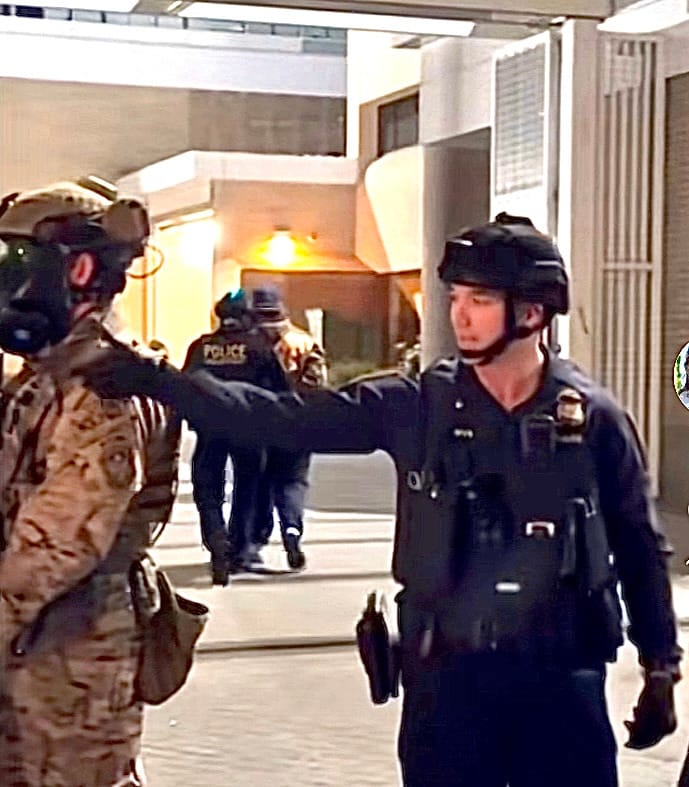
What was meant to be a quick visit to Portland stretches into more than a month. Reservations are canceled. Plans dissolve. My spouse comes and goes. The sacrifice of my time and money is one layer, but the emotional toll is something I never anticipated. I expected to show up, hold a sign, help occupy. Instead, night after night, I witness depravity from those sworn to protect. Each incident leaves me more shaken, more aware, more radicalized, a word that was not even in my vocabulary before October.
October 11, 2025 becomes my tipping point. That night, I hold someone’s son as he gasps for air. Around us, dozens of people run past screaming that they cannot breathe. We are tear-gassed and flash-banged while peacefully protesting. Up to that point, I had witnessed pepper-balls, close-range mace, rubber bullets, and aggressive physical violence, but this was different. This was escalated. Seniors, veterans, children, and disabled community members came to exercise their First Amendment rights. Then, without warning, we were under assault. I will never be the same.
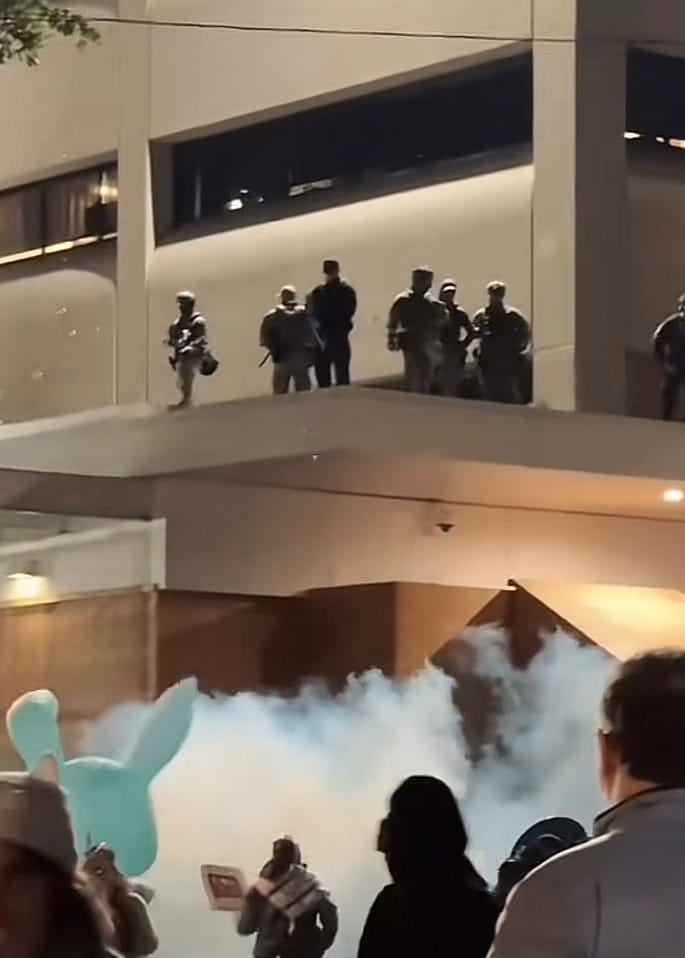
I walk back into the clouds of gas, choking, blind, grabbing anyone I can. In the mud, I render aid while struggling to breathe myself. Through the haze, I watch community members move like a living organism, masked, urgent, risking themselves to help others. When the mist finally settles, medics work the crowd, shouting for rescue inhalers for a protester collapsing against the fence. It’s clear this isn’t new for them. ICE and local police never check on the injured, never tell them how to handle the “non-lethals” used against them. They never offer help. To this day, I have never seen them try.
And that is only the first wave. Strangers from across the city donate respirators, water, snacks, decontamination supplies, and yes, inflatable costumes. These items are stored in what is referred to as “camp,” a space along the sidewalk where items are organized and stored for use. These items are available for anyone down there so long as you aren’t one of the many antagonistic people that come through. Days later, on October 25, counter-protesters raid the camp and steal everything as local police watch. All I can think is, “but community-supplied resources save lives.” I return to my van that night shaking, mind racing. Is this really happening on United States soil? To citizens? By the people sworn to uphold the Constitution? I do not sleep for 24 hours. The trauma response is immediate. When I return the next evening, I see the same hollow, sleepless look reflected back at me in the eyes of everyone else who lived through it. We are different now. Traumatized, but more driven than ever.
As the nights go on, I learn about the counter-protesters, right-wing agitators paid to be there, who call themselves patriots while provoking reactions for content and profit. They show up claiming anyone protesting ICE is “antifa,” but I know the crowd is a blend of every political affiliation: libertarians, veterans, conservatives, anarchists, Democrats, unaffiliated neighbors, and people who simply care about human rights. The irony is painful. They label us enemies while we stand outside in the cold fighting for the constitutional rights of strangers we may never meet, including them. What could be more patriotic than that?
What started as curiosity about a protest to abolish ICE becomes something much deeper. I begin to understand the human rights crisis happening not only to migrants seeking safety but to the citizens who stand on this sidewalk trying to defend them. These protesters endure gas, munitions, trauma, and violence in the name of the Constitution. In the most literal sense, these are patriots. And I discover that I am one of them.
Every night on livestream, I argue with people who insist the Constitution only protects certain people. I correct them over and over: the Constitution protects everyone on American soil. Human rights do not belong to a party or a citizenship status. They belong to people. There is nothing more patriotic than fighting for that.
No Kings Day is a perfect example. On October 18, over forty thousand people march through Portland, then hundreds of those protesters gather at the ICE facility. Despite the classic Pacific Northwest rain, there are DJs, food, and rare joy after weeks of tension. Then everything shifts. ICE claims civilians threw tear gas canisters at them. What follows is a brutal, extended assault: tear gas, flashbangs, rubber bullets, pepper-balls. Kids in costumes. Elders. Disabled community members. People run blindly into traffic. Cars are tear-gassed. I fear panicked drivers will plow into the crowd.
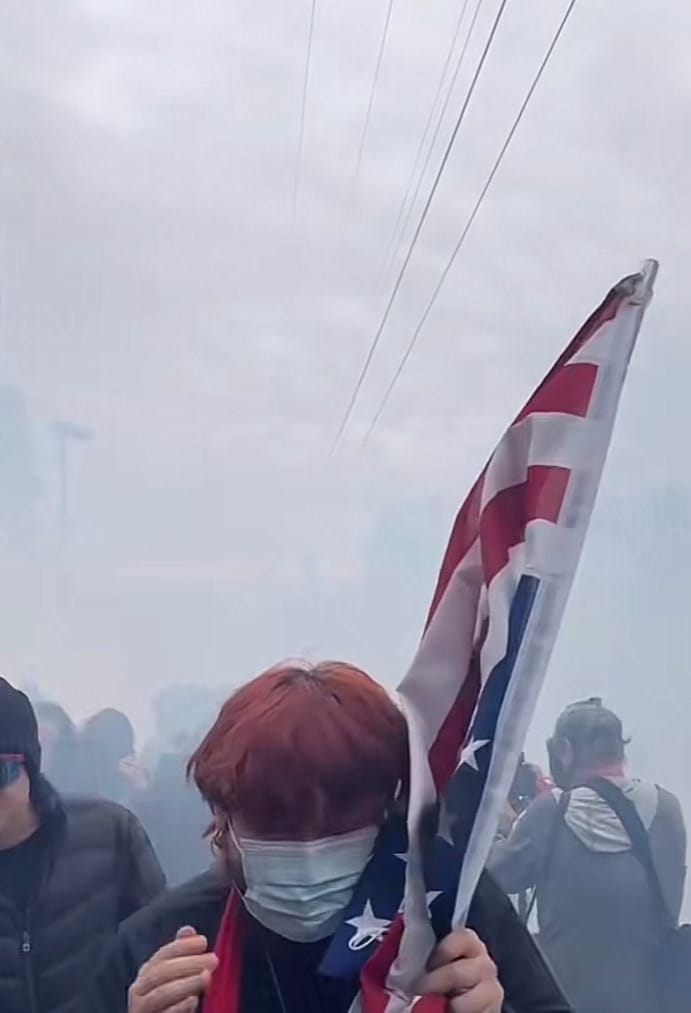
Like before, civilians step in. Now I am more prepared. Mask tightened, I direct people toward higher ground and fresh air. They sob, shouting, “Why are they doing this?” They do not know this has been happening for months to their community. I am hit in the head by projectiles, pepper-balled in the legs despite standing two lanes away on a public sidewalk. Fires spark where munitions land. Civilians put them out as ICE retreats, dragging detained protesters with them into the building.
An emergency call goes out: the camp has used all of their resources and is out of water and supplies. Within minutes, the community mobilizes. Cars arrive loaded with water, first aid, and decontamination kits. ICE and local police never send medics. They never check on the injured. Later, in court, local police testify that the tear gas ICE agents claimed was thrown at them was actually launched by their own people on the ground. Whether it was a mistake or deception, we think that tear gas canister was used to justify the violence that followed.
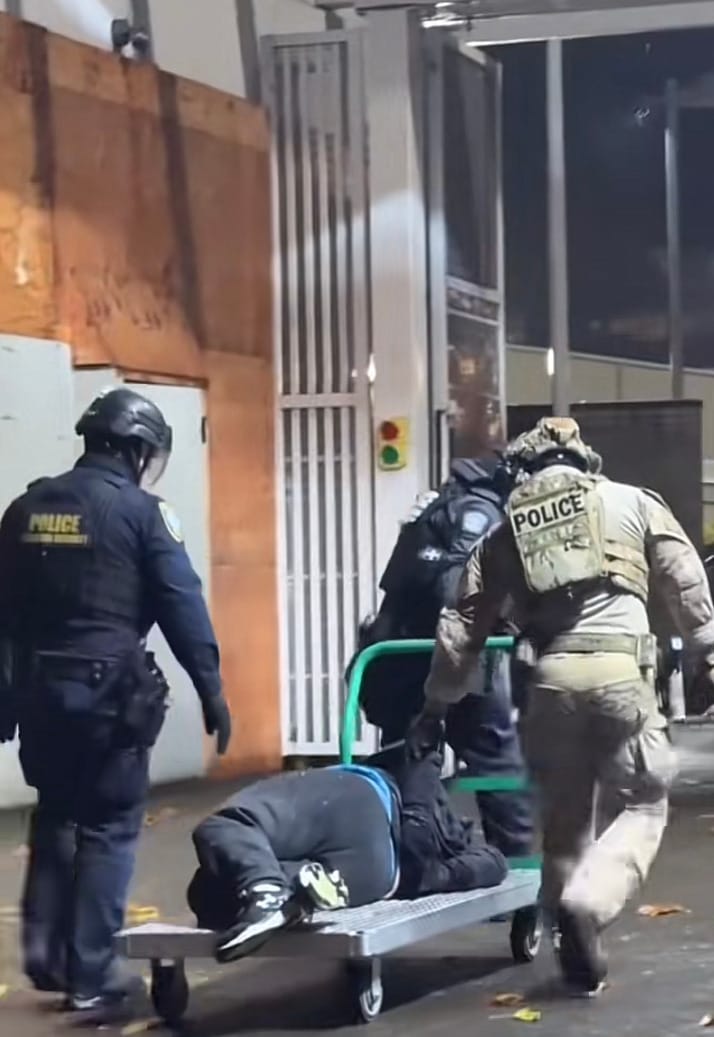
The continued injustices since that night are too numerous to list. Nightly, protesters and occupiers’ constitutional rights are challenged as they expose themselves to traumas that have unfortunately become standard during this chapter. The gates open; agents aggressively push the line. New rules every time. The bus rolls out with a heavy sadness headed toward Tacoma. We can hear the captives inside banging on the windows and begging to be freed. Protesters endure the emotional and physical toll again and again, detained, dragged, slammed, dehumanized, humiliated, nearly hit by agents’ unmarked vehicles, called derogatory names as they are physically assaulted. The gates close. People occupy. Agents line up their sights from the roof, fly drones, hide their faces. Night after night, as the city ebbs and flows with normalcy, this small pocket of town stays the course. It is not unique; nationwide, communities are being victimized by agents just like here.
I am so grateful for this community’s acceptance, and I hope that through my dedication, I can make an impact where there is a need while I can. Naysayers forget that every meaningful change in our country’s history has required persistence beyond basic comprehension, and I am profoundly grateful to be on this side of history with such extraordinary people.
Since this essay was written, a federal judge temporarily restricted the use of tear gas at the Macadam ICE facility
Featured image taken by the author